
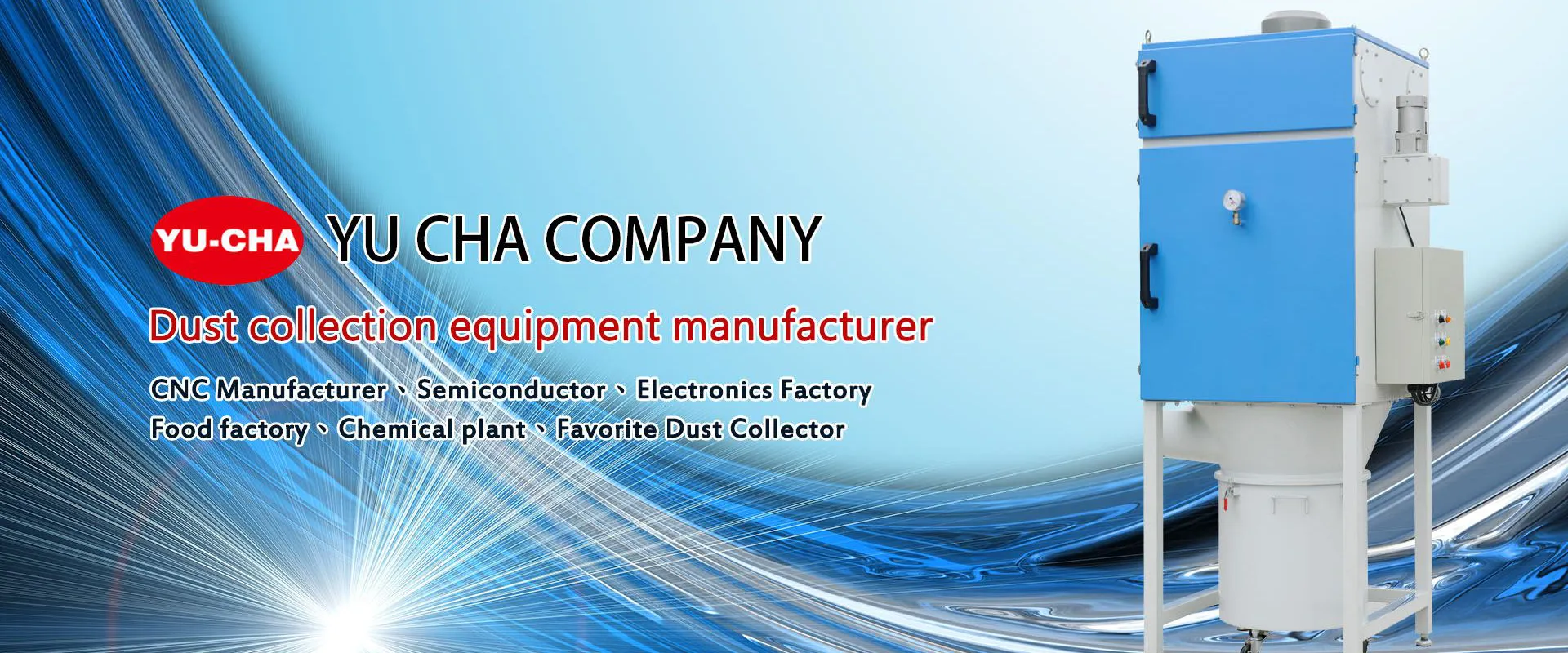
21.Factory Energy Efficiency: Shifting to Decentralized Modular Dust Collection Systems
In the wave of modern smart manufacturing and ESG sustainability transformations, optimizing the energy efficiency of factory dust collection systems has become a strategic priority for reducing Scope 2 greenhouse gas emissions. Traditional factories tend to install a single, high-horsepower centralized dust collector. However, this architecture often results in massive energy waste during partial production line operations or layout changes. The new energy-saving trend is shifting towards a "Decentralized Modular System." By breaking down a single giant motor into multiple low-horsepower, IoT-enabled smart dust collectors, factories can achieve precise energy management based on "on-demand supply and localized control." This is not merely a physical equipment swap, but a core evolution in factory energy management logic—moving from "blanket supply" to "dynamic allocation."
The Fundamental Shift from Centralized to Decentralized Architectures
The Paradigm Shift in Dust Collection
A "centralized dust collection system" utilizes one high-rated power unit (e.g., 100HP+) to service all processing machines across the entire facility through a complex, long-distance duct network. Conversely, a "decentralized smart energy-saving solution" deploys several appropriately sized small dust collectors (e.g., 10HP to 20HP) based on specific production zones. The essence of this shift is "eliminating system redundancy," ensuring that extraction power precisely matches the dust generation source in both physical proximity and energy consumption logic.
"Digital Twin" and "On-Demand Control" Concepts
Within a decentralized architecture of multiple low-horsepower units, each machine operates as an independent energy-saving module. Integrated with IoT sensors and VFD (Variable-Frequency Drive) technology, the system dynamically activates or deactivates corresponding small collectors based on the actual number of running processing machines. This "digitally adaptive" capability aligns energy consumption with production operations on a 1:1 curve, effectively avoiding the exorbitant standby costs typical of traditional systems where "turning on one machine means running the entire factory's suction."
The Underlying Logic of Fluid Dynamics and Electrical Efficiency
Overcoming Pressure Loss in Long Ducts
The most significant technical challenge for traditional centralized systems is "static pressure loss." According to fluid dynamics, pressure loss in ductwork is directly proportional to its length and has a complex, non-linear relationship with duct diameter and airflow velocity. Dozens of meters of ducting consume vast amounts of motor power just to overcome wall friction. By switching to decentralized low-horsepower units—such as deploying dedicated YU-CHA localized collectors right next to processing equipment—duct length is slashed by over 80%. This means almost 100% of the motor's output energy is utilized for capturing dust, rather than being wasted on overcoming the resistance of long-distance piping.
Parallel Modular Design and Partial Load Optimization
Electric motors operating at "low load" generally suffer from much lower efficiency compared to their rated RPM. If a single high-horsepower collector runs when the production line is only at 20% capacity, its mechanical and core losses remain disproportionately high, even with a VFD installed. In contrast, decentralized architectures utilize a "Parallel Modular" logic. When production demand is at 20%, the system only activates one small unit to run at full load, leaving the rest powered down. This ensures that every operating motor constantly remains within its "High-Efficiency Zone," generating power savings far superior to a single, large VFD-driven central unit.
To intuitively understand this energy-saving disparity, you can use the simulation calculator below to compare the energy consumption and costs between centralized and decentralized systems under varying production line utilization rates.
Practical Application Scenarios for Localized Smart Factory Dust Collection
Flexible Line Configuration and Modular Expansion
In electronic assembly, woodworking, or precision machining facilities, production lines are frequently adjusted or relocated to meet order demands. Decentralized low-horsepower units boast exceptional mobility. When a specific work zone requires increased capacity, facility managers simply add an extra localized dust collector (like a CS-1111 or CS-350 unit) without recalculating the entire facility's air balance or dismantling massive central ducts. This "Plug & Play" modularity allows facility systems to seamlessly integrate with the agility of modern smart manufacturing.
IoT Interlocking and Filtration Efficiency Monitoring
Decentralized solutions easily integrate sensor technologies to achieve machine-level intelligence. Each localized unit can be equipped with independent differential pressure sensors, dust concentration monitors, and vibration sensors. Through communication protocols like Modbus TCP, the collector synchronizes with the production equipment. The moment a processing machine starts, the dust collector powers on simultaneously; conversely, it enters an energy-saving sleep mode or reduces frequency when inactive. Furthermore, unlike centralized systems where a single failure halts the entire factory, a fault in one decentralized unit only affects a local zone, dramatically increasing overall production reliability.
Financial Analysis: CAPEX vs. OPEX
CAPEX Structural Comparison
While the combined equipment cost of five 10HP units might be slightly higher than one massive 50HP central unit, the decentralized approach shines in installation costs. Large systems require extensive structural supports, wall-penetrating mega-ducts, and highly complex electrical control cabinets. Decentralized units are simple to install, eliminating massive expenses on long-distance duct materials and labor hours. Ultimately, the total initial Capital Expenditure (CAPEX) is often equivalent, with decentralized solutions frequently proving more competitive regarding ductwork installation fees.
Maximizing OPEX Reductions and ESG Carbon Tax Value
From an operations and maintenance perspective, the Return on Investment (ROI) for a decentralized architecture is exceptionally short. Based on actual use cases in factory environments with an average 50% operational rate, decentralized smart systems achieve over 40% higher energy savings compared to traditional massive central units. Beyond direct electricity cost reductions, in the impending era of carbon credits and carbon taxes, every kilowatt-hour saved transforms into a green asset for the enterprise. Additionally, maintaining smaller units is straightforward; standardized consumables (such as filter bags and cartridges) lower warehousing costs and ensure the system constantly operates at peak filtration efficiency.